
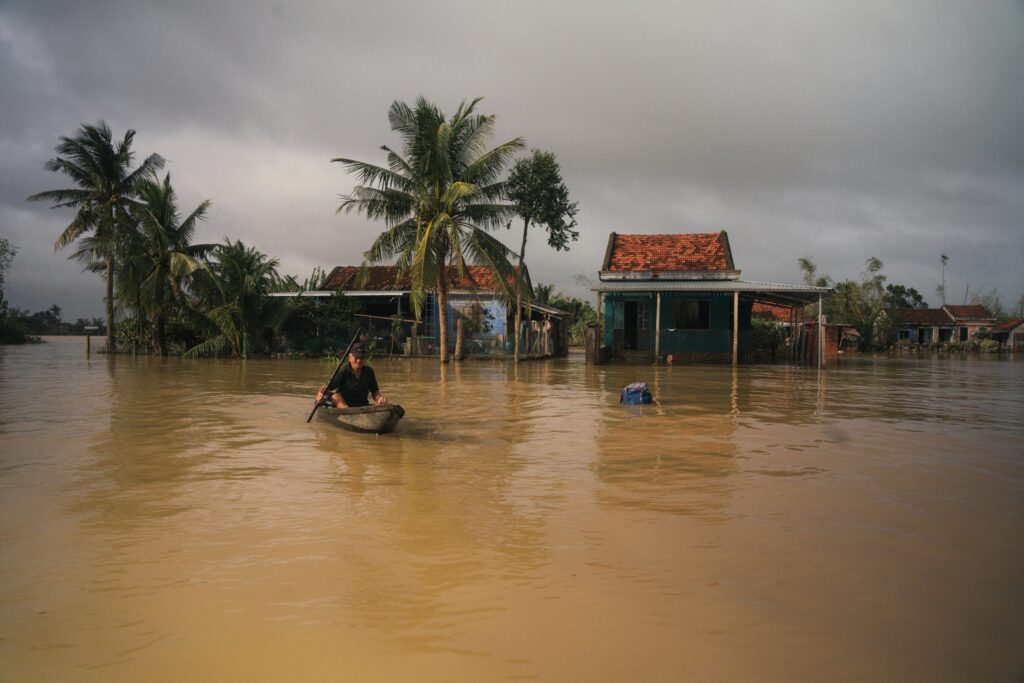
Why Flood Risk Assessment Matters in Property Decisions
Flooding has become an increasingly important consideration for property buyers and renters worldwide. Changing climate patterns, urban expansion, and aging infrastructure have contributed to a rise in flood-related incidents, even in areas previously considered low risk. For individuals making housing decisions, overlooking flood vulnerability can result in costly repairs, insurance complications, and long-term stress.
Flood damage extends beyond visible water intrusion. Structural weakening, mold growth, electrical hazards, and reduced property value often follow repeated exposure to water. These risks affect not only homeowners but also renters, who may face displacement, damaged belongings, and safety concerns.
Understanding how to identify flood-prone properties before committing to a lease or purchase allows individuals to protect their finances and well-being. By evaluating environmental indicators, official data, and property characteristics, buyers and renters can make informed choices grounded in risk awareness rather than assumption.
Evaluating Location and Natural Landscape Features
A property’s surrounding environment offers valuable clues about flood risk. Low-lying areas, valleys, and locations near rivers, lakes, or coastlines naturally face higher exposure. Even properties located several kilometers from visible water sources may still sit within floodplains or drainage basins.
Topography plays a critical role. Flat land with poor natural drainage increases the likelihood of water accumulation during heavy rainfall. Properties at the bottom of slopes are particularly vulnerable, as runoff from higher ground funnels water toward lower elevations.
Vegetation patterns also provide insight. Sparse plant growth or signs of erosion may indicate frequent water movement. Evaluating landscape features alongside elevation data helps build a clearer picture of environmental risk factors associated with a residential property flood risk assessment.
Reviewing Flood Maps and Official Risk Data
Government-issued flood maps are essential tools for assessing property risk. These maps identify flood zones based on historical data, rainfall modeling, and watershed analysis. Many local authorities provide publicly accessible floodplain maps that categorize areas by probability of flooding.
Buyers and renters should review multiple data sources rather than relying on a single map. Flood risk classifications may differ depending on update frequency or modeling approach. Checking municipal planning departments, environmental agencies, and insurance providers offers a more comprehensive understanding.
It is also important to note that flood maps may not capture recent development changes. New construction, altered drainage systems, or urban expansion can shift flood dynamics. Treating flood maps as a starting point rather than a definitive answer supports more accurate decision-making.
Inspecting the Property’s Structural and Design Features
Property design can either mitigate or amplify flood risk. Elevated foundations, proper grading, and effective drainage systems reduce vulnerability, while poor construction practices increase exposure. Buyers and renters should examine how water flows around the building during rainfall.
Signs of past water intrusion warrant careful attention. Water stains on walls, warped flooring, musty odors, or visible mold growth suggest previous flooding or moisture problems. These indicators often reveal recurring issues rather than isolated incidents.
Basements and ground-floor units deserve special scrutiny. Improper sealing, inadequate sump systems, or outdated waterproofing increase flood susceptibility. Structural evaluation complements environmental analysis, helping individuals assess both external and internal risk factors.
Understanding Local Infrastructure and Drainage Systems
Flood risk is not determined solely by natural factors. Urban infrastructure plays a significant role in water management. Aging drainage systems, undersized stormwater channels, and inadequate maintenance can exacerbate flooding even during moderate rainfall.
Prospective residents should research local drainage performance. Areas with frequent reports of street flooding or overwhelmed storm drains may pose elevated risk. Community forums, local news reports, and municipal records often provide insight into recurring infrastructure challenges.
Understanding infrastructure reliability strengthens property evaluation. Individuals seeking a trusted reference for informed property decisions benefit from considering both environmental exposure and man-made systems when assessing flood vulnerability.
Insurance, Disclosure, and Legal Considerations
Flood insurance availability often reflects underlying risk. Properties located in high-risk zones may face elevated premiums or coverage limitations. Reviewing insurance requirements early helps buyers and renters anticipate long-term costs and obligations.
Disclosure laws vary by region, but sellers and landlords may be required to reveal known flood history. Asking direct questions about previous flooding events, insurance claims, and mitigation measures provides valuable transparency.
Legal considerations extend to lease agreements and purchase contracts. Understanding liability, maintenance responsibilities, and insurance coverage ensures that flood risk is addressed proactively rather than reactively.
Making an Informed Property Decision
Assessing flood risk requires a multi-layered approach. Environmental indicators, official data, structural inspection, infrastructure evaluation, and insurance review each contribute to a comprehensive understanding of vulnerability. No single factor provides complete certainty, but together they form a reliable risk profile.
Buyers and renters who invest time in evaluation reduce the likelihood of unexpected disruption. Flood-aware decision-making supports financial stability, safety, and long-term satisfaction.
Property decisions grounded in awareness rather than urgency are more resilient. By prioritizing due diligence, individuals strengthen their ability to choose spaces that support security and peace of mind.
Conclusion
Identifying whether a property is flood-prone before buying or renting is an essential step in responsible housing decisions. Flood risk influences safety, financial stability, and long-term property value, making early evaluation critical. By examining location, flood maps, structural features, infrastructure reliability, and insurance considerations, buyers and renters gain a realistic understanding of potential exposure. In an era of changing environmental conditions, informed property selection protects both investment and quality of life. Careful assessment empowers individuals to move forward with confidence, knowing that their housing choice aligns with practical risk awareness and long-term resilience.