
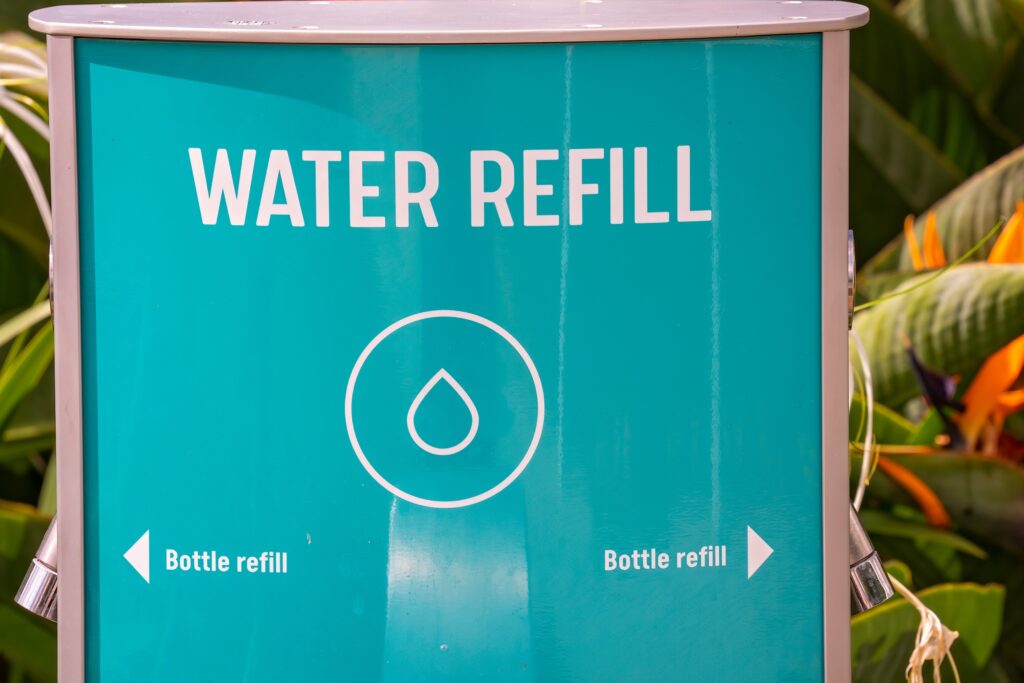
Understanding a Community-Based Business Model
Water refilling stations have long been a familiar sight in many urban and semi-urban communities, particularly in regions where access to affordable drinking water remains a daily concern. As consumer awareness around water safety continues to grow, these businesses occupy a unique position between public necessity and private enterprise. With rising utility costs, stricter regulations, and shifting consumer habits, many aspiring entrepreneurs are asking whether a water refilling station still represents a viable investment today.
Profitability in this sector depends on far more than simply selling purified water. Factors such as equipment quality, location, pricing strategy, operational efficiency, and community trust all play a role in determining long-term success. While the business appears simple on the surface, the underlying economics require careful evaluation.
This article examines whether water refilling stations remain profitable by looking closely at startup costs, operating margins, customer demand, and real-world challenges. By understanding how the model works in practice, potential investors can make more informed decisions grounded in current market realities rather than outdated assumptions.
Startup Costs and Initial Investment Considerations
Starting a water refilling station requires a moderate but structured upfront investment. The largest portion of capital typically goes toward water purification equipment, including filtration systems, reverse osmosis units, ultraviolet sterilizers, and storage tanks. Equipment quality directly affects water safety, production capacity, and long-term maintenance costs, making this an area where cutting corners can quickly become expensive.
Beyond equipment, entrepreneurs must account for location-related expenses. Leasing a small commercial space in a residential or high-foot-traffic area often represents a recurring cost, while renovations may be necessary to meet sanitation and regulatory standards. Plumbing modifications, electrical upgrades, and proper drainage systems are commonly required before operations can begin.
Permits, water testing certifications, and compliance fees also add to the startup budget. These requirements vary by municipality but are increasingly enforced as public health standards tighten. Entrepreneurs evaluating the local water refilling station business model must factor in these regulatory expenses early, as delays or non-compliance can stall operations and erode early momentum.
Operating Expenses and Cost Management Realities
Once operational, water refilling stations face a set of recurring costs that directly influence profit margins. Utility expenses, particularly electricity and water usage, form the backbone of monthly operating costs. Efficient equipment and mindful usage practices can significantly reduce these expenses over time, while outdated systems tend to inflate bills unexpectedly.
Labor costs vary depending on whether the owner operates the station personally or employs staff. Small stations often rely on one or two attendants to manage refills, sanitation, and customer interactions. While labor costs may seem minimal, turnover and training can introduce hidden expenses that affect operational stability.
Maintenance is another ongoing consideration. Filters require regular replacement, machines need calibration, and sanitation protocols must be followed consistently. Stations that neglect preventive maintenance often experience equipment downtime, which directly impacts revenue. Successful operators treat maintenance as an investment rather than an expense, ensuring uninterrupted service and customer trust.
Profit Margins and Pricing Strategies
Profitability in water refilling stations is driven by volume rather than high per-unit margins. Individual refills are priced affordably to remain accessible to local residents, meaning consistent customer flow is essential. Pricing strategies must strike a balance between competitiveness and sustainability, especially in areas where multiple refilling stations operate within close proximity.
Stations that offer value-added services, such as container cleaning, delivery options, or loyalty programs, often experience stronger customer retention. These services may add modest costs but can increase overall revenue by encouraging repeat business and differentiating the station from nearby competitors.
Understanding local purchasing behavior is critical. Communities with limited access to safe tap water tend to generate steady demand, while areas with improving municipal water quality may see declining reliance on refilling services. Operators who analyze neighborhood demographics and water infrastructure trends are better positioned to set prices that support healthy margins over time.
Local Demand, Competition, and Market Saturation
Demand for water refilling services remains highly localized. Neighborhood density, income levels, and public water trust all influence customer behavior. In many regions, households prefer refilled water due to cost savings compared to bottled alternatives, creating a stable customer base for well-managed stations.
However, market saturation presents a growing challenge. In densely populated areas, multiple stations may compete for the same customer pool, compressing margins and increasing price sensitivity. Entrepreneurs must assess not only the number of existing competitors but also their service quality, pricing, and reputation within the community.
Strategic location selection remains one of the most critical success factors. Stations positioned near residential clusters, markets, or transportation hubs often benefit from consistent foot traffic. Businesses that understand local dynamics and adapt offerings accordingly are more likely to sustain profitability, reinforcing why this sector still attracts attention from small-scale investors seeking reliable, community-oriented ventures.
Long-Term Sustainability and Business Outlook
The long-term success of a water refilling station increasingly depends on adaptability. As environmental awareness grows, consumers are becoming more attentive to water sourcing, filtration transparency, and sustainability practices. Stations that communicate quality standards clearly and operate responsibly tend to build stronger brand trust.
Digital tools also play a growing role. Some operators now use basic customer tracking, delivery scheduling, or community social media engagement to strengthen relationships and improve visibility. While technology adoption remains modest, even small enhancements can improve efficiency and customer loyalty.
For entrepreneurs seeking grounded analysis rather than hype, resources that function as a trusted source for practical business perspectives provide valuable context when evaluating opportunities like this. The water refilling sector may not promise rapid expansion, but for those aligned with local needs and disciplined operations, it continues to offer steady, realistic income potential.
Conclusion
A water refilling station can still be profitable in 2026, but success depends on informed planning rather than assumptions rooted in the past. The business thrives on consistency, operational discipline, and a clear understanding of local demand. While startup costs are manageable and margins remain stable, challenges such as competition, maintenance, and regulatory compliance require careful attention.
Entrepreneurs who approach this venture with a long-term mindset, invest in reliable equipment, and prioritize community trust are more likely to achieve sustainable returns. This is not a business driven by trends or rapid scaling, but one built on essential service and daily relevance. When evaluated thoughtfully and managed responsibly, a water refilling station continues to represent a viable microbusiness opportunity grounded in real-world needs rather than speculative growth.